
The Short Answer
Proof of ownership of a car is the bill of sale, meaning the receipt or invoice from when the car was bought, because the V5C log book only shows the registered keeper and states that it isn't proof of ownership. Keep the purchase invoice, or a finance settlement letter, with the V5C, particularly where the keeper and the owner are different people.
Most drivers assume the name on the V5C log book belongs to the car's owner. That's true for plenty of cars, but there are common situations where the registered keeper and the legal owner are two different people or businesses:
- A company car, which the business owns while an employee drives it
- A car on finance or a lease, which belongs to the finance or leasing company until the agreement says otherwise
- A car bought by someone else, such as parents paying for a son or daughter's first car
When the keeper and the owner differ, each has their own responsibilities, and knowing which one you are matters the moment a fine, a sale or a dispute comes along.
Is A Log Book Proof Of Ownership?
No, a log book isn't proof of ownership, and the V5C says so itself in capital letters across the front. It records who the registered keeper is, meaning the person responsible for registering and taxing the vehicle, along with the car's details.

A leased car shows how the two roles split. The driver is named as the registered keeper and looks after the tax and day-to-day running, but the leasing company owns the car throughout the agreement. Company cars work in a similar way, with the business owning the car whoever appears on the V5C.
What Is The Difference Between The Owner And The Registered Keeper?
The registered keeper is the person named on the V5C, normally the one who uses the car day to day. The owner is the person or company that bought the car, or was given it, and holds the legal title to it. In most private sales they're the same person, which is why the two terms get mixed up.
What The Registered Keeper Is Responsible For
The keeper is the person the DVLA and the police deal with. That covers:
- Tax: keeping the car taxed, or declared off the road with a SORN
- Insurance: GOV.UK's rules on uninsured vehicles say a keeper whose car is uninsured and not declared off the road faces a £100 fine, clamping or impounding, and up to £1,000 if it goes to court
- MOT: making sure the car has a valid MOT once it needs one, as GOV.UK's MOT guidance sets a fine of up to £1,000 for driving without one
- Fines and police enquiries: speeding notices, parking tickets and other correspondence go to the keeper first
Speeding is a good example. GOV.UK's speeding penalties page explains that a Notice of Intended Prosecution and a Section 172 notice are sent within 14 days, and the Section 172 notice has to be returned within 28 days naming whoever was driving. Our guide on how long a speeding ticket takes to arrive goes through the timings in more detail.
What The Owner Needs To Think About
If you own a car that someone else drives, only let them behind the wheel when they're insured to drive it. GOV.UK's page on driving without insurance shows what's at stake, with a £300 fixed penalty and 6 points for the driver and the police able to seize the car, which is your property.
Where someone else drives your car every day, it makes sense to name them as the registered keeper so the post, the tax reminders and any fines go straight to them. Our guide to changing vehicle ownership online shows how to update the DVLA's records. A quick check of the car's tax and insurance status afterwards confirms everything is in order.
How Do You Prove Ownership Of A Car?
You prove ownership of a car with the receipt or invoice from when it was bought, known as a bill of sale. For a car bought new or from a dealer, that's the sales invoice, and for a finance car it's the settlement letter once the agreement has been paid off.
A private sale needs the same paper trail, so write a receipt if the seller doesn't offer one. Include:
- Make and model of the car
- VIN
- Registration number
- Date of sale
- Price paid
- How it was paid
- Names, addresses and signatures of the buyer and seller
Before handing over money, follow GOV.UK's checks for buying a used car and make sure the VIN on the car matches the log book and that the seller's details match the V5C. A seller who can't produce a receipt for a car they claim to own is a warning sign worth walking away from.
Keep Your Paperwork Together
Proof of ownership matters most when something goes wrong, whether that's a disputed parking fine, a car that's been stolen or a sale where the buyer wants evidence you're entitled to sell. Keep the purchase invoice with the V5C and service history, and if the log book goes missing, our guide to replacing a lost log book explains how to get a new one.
Car Ownership And V5C Questions We Get Asked
Does The V5C Prove You Own A Car?
No. The V5C states on its front that it isn't proof of ownership. It shows who the registered keeper is, meaning the person responsible for registering and taxing the car. The keeper is the owner in most private sales, but leased, financed and company cars are owned by someone other than the person named on the V5C.
What Counts As Proof Of Ownership Of A Car?
A bill of sale is the main proof of ownership, meaning the receipt or invoice from when the car was bought. It should list the make, model, VIN, registration, date, price and payment method, signed by both parties. For a financed car, the settlement letter showing the agreement has been paid off proves the title passed to you.
Can The Registered Keeper Be Different From The Owner?
Yes, the registered keeper and the owner are frequently different. A leasing or finance company owns the car while the driver is the keeper, a business owns its company cars, and parents can own a car their child is registered as keeping. The keeper handles tax, MOT and fines, while the owner holds legal title to the car.
Does The Owner Or The Registered Keeper Get The Speeding Ticket?
The registered keeper gets the speeding notice. A Notice of Intended Prosecution and a Section 172 notice are sent within 14 days of the offence, and the keeper must return the Section 172 notice within 28 days naming the driver. If someone else was driving, they then receive the penalty.
Can You Sell A Car If You're Not The Registered Keeper?
You can sell a car you own even if someone else is the registered keeper, but buyers will be wary, so expect questions. Have your bill of sale ready and involve the keeper so the DVLA records can be updated. A car still on finance can't be sold until the finance is settled, because it belongs to the finance company.
Is A Car On Finance In My Name?
The car is registered to you as keeper, so the V5C shows your name, but the finance company owns it until the agreement is complete. With hire purchase, ownership passes to you after the final payment, and with PCP it passes once you pay the optional final payment. Check your agreement for the exact terms.
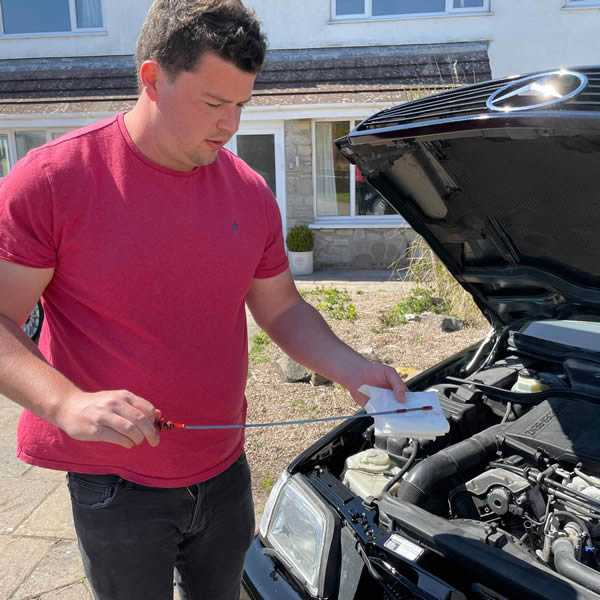
Dan founded YourCar and has owned well over 50 cars since passing his driving test. His current fleet runs from German classics he has restored from barn-find condition to a load lugger, a daily driver, an Audi R8 and a 911 GT3, and every product on YourCar gets used on cars like these first.